
When you notice a few missing shingles after a windy night or spot a small leak during heavy rain, your first thought might be that you’re facing a major roofing disaster requiring thousands of dollars in work. However, in many cases, the problem is localized and can be resolved through precise, professional intervention that addresses only the damaged areas while leaving the rest of your roof intact. This approach saves money, extends your roof’s lifespan, and prevents small issues from escalating into catastrophic failures that compromise your entire home.
In the specific context of Monroe County’s challenging climate, Shingle repair Stroudsburg PA represents a specialized service that focuses on identifying and fixing isolated damage caused by the region’s severe weather patterns. Local contractors understand that Pocono winters create ice dams that lift shingles at eaves, spring storms bring hail that cracks shingle surfaces, and summer winds tear off sections along ridges and valleys. They know how to match existing shingle colors and styles, even when dealing with materials installed decades ago, because they work regularly with the architectural styles common throughout Stroudsburg, from colonial-era homes in the historic district to modern constructions in residential developments. This expertise ensures that repairs blend seamlessly with the existing roof, maintaining both functionality and curb appeal.
Common shingle damage patterns in the Poconos
The unique weather challenges of northeastern Pennsylvania create specific types of shingle damage that experienced contractors recognize immediately. Ice dams form when heat escaping from poorly ventilated attics melts snow on the roof surface, causing water to back up under shingles and refreeze at the eaves, lifting shingle tabs and breaking the sealant strip that holds them in place. This damage often appears as lifted shingles along the lower three feet of the roof, sometimes with visible water stains on the fascia boards. Hail damage presents as circular cracks or dents in shingle surfaces, with larger hailstones capable of breaking through the fiberglass mat and exposing the underlying asphalt to UV degradation that accelerates deterioration.
Wind damage typically follows predictable patterns, with shingles tearing off along roof edges where uplift forces are strongest, and along ridges where two roof planes meet and create turbulence. Missing shingles expose the underlayment, which provides temporary protection but deteriorates quickly when exposed to direct sunlight and weather. Contractors also frequently find damage around penetrations like chimneys, vents, and skylights, where flashing failures allow water to seep behind shingles and cause them to curl or lift. The granular coating on shingles, which provides UV protection and fire resistance, washes away over time in valleys where water flows concentrate, leaving bare spots that indicate the shingles have reached the end of their effective lifespan even if they appear intact elsewhere.
The professional repair process
Professional shingle repair begins with a thorough inspection that goes beyond the visible damage to identify underlying issues that could cause future problems. Contractors examine the roof deck from the attic, looking for moisture stains, soft spots, and daylight visible through the roof boards, all indicators of more extensive damage than what appears on the surface. They check the condition of the underlayment, that crucial secondary barrier that protects the deck when shingles fail, and assess whether ice and water barrier membrane was properly installed in vulnerable areas. This comprehensive evaluation ensures that repairs address root causes rather than just symptoms, preventing callbacks for additional work weeks or months later.
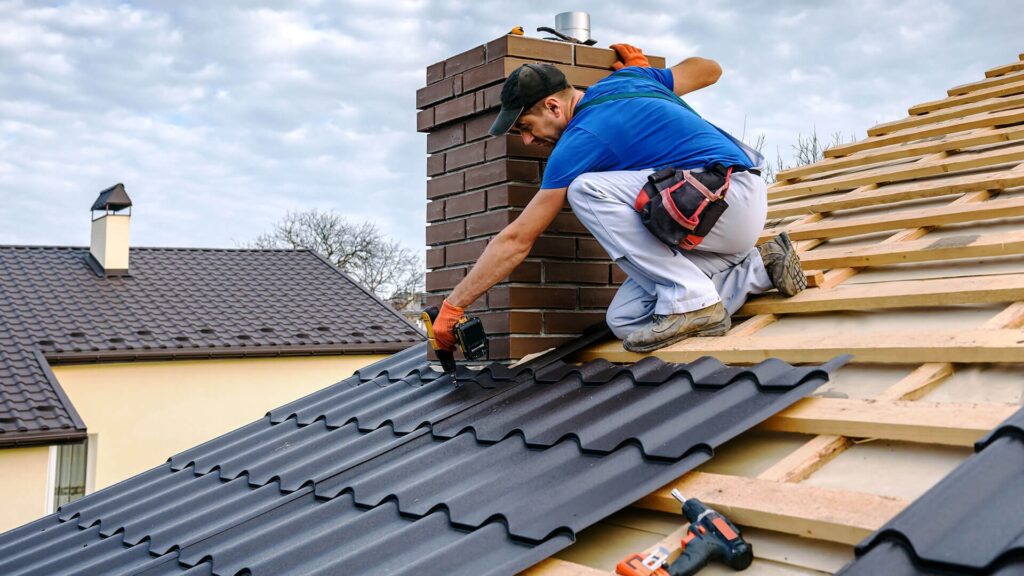
The actual repair process involves carefully removing damaged shingles without disturbing surrounding materials, a skill that requires experience and proper tools. Contractors use flat pry bars to lift shingle tabs and remove nails, working from the top down to avoid tearing adjacent shingles. They install new underlayment patches where the original material has deteriorated, ensuring continuous protection across the repair area. New shingles are woven into the existing pattern, with contractors sliding them under the shingles above and nailing them according to manufacturer specifications, typically using four to six nails per shingle in high-wind zones like Stroudsburg. They apply roofing cement under shingle tabs to reseal the bond, and in valleys or around penetrations, they install new flashing fabricated from galvanized steel or aluminum, sealed with polyurethane caulk that remains flexible through temperature extremes.
Material matching and aesthetic considerations
One of the most challenging aspects of shingle repair involves matching existing materials, particularly on older roofs where original shingle colors have faded and product lines have been discontinued. Professional contractors maintain relationships with suppliers who stock discontinued lines or can source close matches from other regions. When exact matches prove impossible, they strategically place replacement shingles in less visible areas, such as along the roof’s back slope or behind chimneys, moving existing shingles to the most visible sections to maintain curb appeal. They also understand that shingles weather over time, so even identical new shingles will appear slightly different, requiring them to blend replacements across a larger area to avoid obvious patchwork appearance.
For historic homes in Stroudsburg’s designated historic districts, contractors must sometimes source specialty materials that meet preservation requirements while providing modern performance. This might involve custom-ordering slate-look shingles that replicate original materials or working with suppliers who specialize in vintage roofing components. The aesthetic considerations extend beyond color matching to include proper alignment of shingle courses, maintaining consistent exposure lengths, and ensuring that ridge caps and hip shingles match the field shingles in both color and profile. These details might seem minor, but they significantly impact the overall appearance and can affect property value, particularly in neighborhoods where architectural consistency is valued.
Cost factors and when repair makes sense
The cost of shingle repair in Stroudsburg varies based on damage extent, roof accessibility, shingle type, and the need for additional work like deck repair or ventilation improvements. Minor repairs, such as replacing five to ten shingles in an accessible area, typically cost between 300 and 600 dollars, including labor and materials. Valley repairs, which require removing shingles from both sides of the valley and installing new underlayment and flashing, range from 800 to 1,500 dollars depending on valley length and complexity. Repairs around chimneys or skylights often cost 500 to 1,000 dollars because they involve custom flashing fabrication and careful integration with existing materials.
Repair becomes economically sensible when the roof is less than 15 years old, damage is confined to less than 25 percent of the roof surface, and the underlying deck remains sound. In these situations, targeted repairs can extend the roof’s life by five to ten years, delaying the major expense of full replacement while allowing homeowners to budget for the eventual project. However, when damage is widespread, shingles are near the end of their warranty period, or the deck shows signs of moisture damage, contractors often recommend replacement rather than investing in repairs that will provide only temporary relief. The decision requires balancing immediate costs against long-term value, considering factors like upcoming real estate sales, budget constraints, and the likelihood of future storm damage in storm-prone Stroudsburg.
DIY considerations and professional advantages
While handy homeowners might consider repairing shingles themselves, the risks and complexities often outweigh potential savings. Working on a pitched roof requires proper safety equipment, including harnesses, roof anchors, and stable ladders, gear that most homeowners don’t own and that costs more than hiring a professional for a small repair. The technical skill needed to properly integrate new shingles, install flashing that won’t leak, and identify underlying damage requires experience that DIY videos cannot adequately convey. Mistakes in shingle installation, such as improper nailing patterns or inadequate sealing, can create new leaks that cause more damage than the original problem, ultimately costing more to repair professionally than if a contractor had been hired initially.
Professional contractors bring advantages beyond technical skill, including access to wholesale material pricing, relationships with suppliers for hard-to-find shingles, and insurance coverage that protects homeowners from liability if accidents occur. They also provide warranties on their work, typically one to five years for repairs, giving homeowners recourse if the repair fails. For Stroudsburg residents, local contractors understand the specific challenges of Pocono weather and can recommend materials and techniques proven effective in the region. The time savings alone often justify professional hiring, because what might take a homeowner an entire weekend can be completed by experienced crews in a few hours, with cleanup and disposal handled as part of the service.
Preventive measures and maintenance strategies
The best approach to shingle repair involves preventing damage before it occurs through regular maintenance and proactive measures. Annual inspections, ideally in spring and fall, identify loose shingles, deteriorated flashing, and granule loss before these issues lead to leaks. Cleaning gutters twice yearly prevents water backup that causes ice dams and shingle deterioration along eaves. Trimming overhanging tree branches reduces the risk of impact damage during storms and minimizes debris accumulation that traps moisture against shingle surfaces. Installing gutter guards and ensuring proper attic ventilation addresses root causes of many shingle problems, extending roof life and reducing repair frequency.
For homeowners who have experienced shingle damage, implementing preventive strategies becomes even more critical. Upgrading to impact-resistant shingles when repairs are needed provides better protection against future hail, while improving attic insulation and ventilation prevents ice dam formation that damages shingles at the eaves. Some contractors offer maintenance programs that include annual inspections and minor repairs for a fixed annual fee, typically 200 to 400 dollars, providing peace of mind and early problem detection. These programs often include priority service during emergencies, ensuring that maintenance customers receive faster response when storms hit. The investment in prevention consistently proves more economical than repeated emergency repairs, particularly in Stroudsburg’s challenging climate.
Choosing the right repair contractor
Selecting a contractor for shingle repair requires vetting credentials, verifying insurance, and assessing reputation through reviews and references. Homeowners should ensure contractors carry both liability insurance and workers’ compensation, protecting against accidents on the property. Pennsylvania requires home improvement contractors to register with the Attorney General’s office, providing a mechanism to verify legitimacy and file complaints if necessary. Local contractors with established reputations in Stroudsburg offer the advantage of community accountability and familiarity with regional weather patterns and building styles. They should provide written estimates that detail scope of work, materials, labor, and warranty terms, allowing homeowners to compare proposals accurately.
The best contractors offer free inspections and estimates for repair work, taking time to explain their findings and recommendations without pressuring for immediate decisions. They show up on schedule, communicate clearly about project timelines, and clean work areas thoroughly after completion. For shingle repair specifically, homeowners should ask about the contractor’s experience with their particular shingle type and color matching capabilities, requesting to see examples of previous repair work. Contractors who specialize in repairs, rather than primarily focusing on full replacements, often develop superior skills in integration and matching that result in more aesthetically pleasing outcomes. The relationship with a repair contractor can extend for years, as they become the go-to professional for annual maintenance and future needs, making the selection process an important long-term decision for Stroudsburg homeowners.